

From Grey to Green: Istanbul’s Water Life Valleys
Restoring streams and basins to secure a megacity’s water
Status
City description
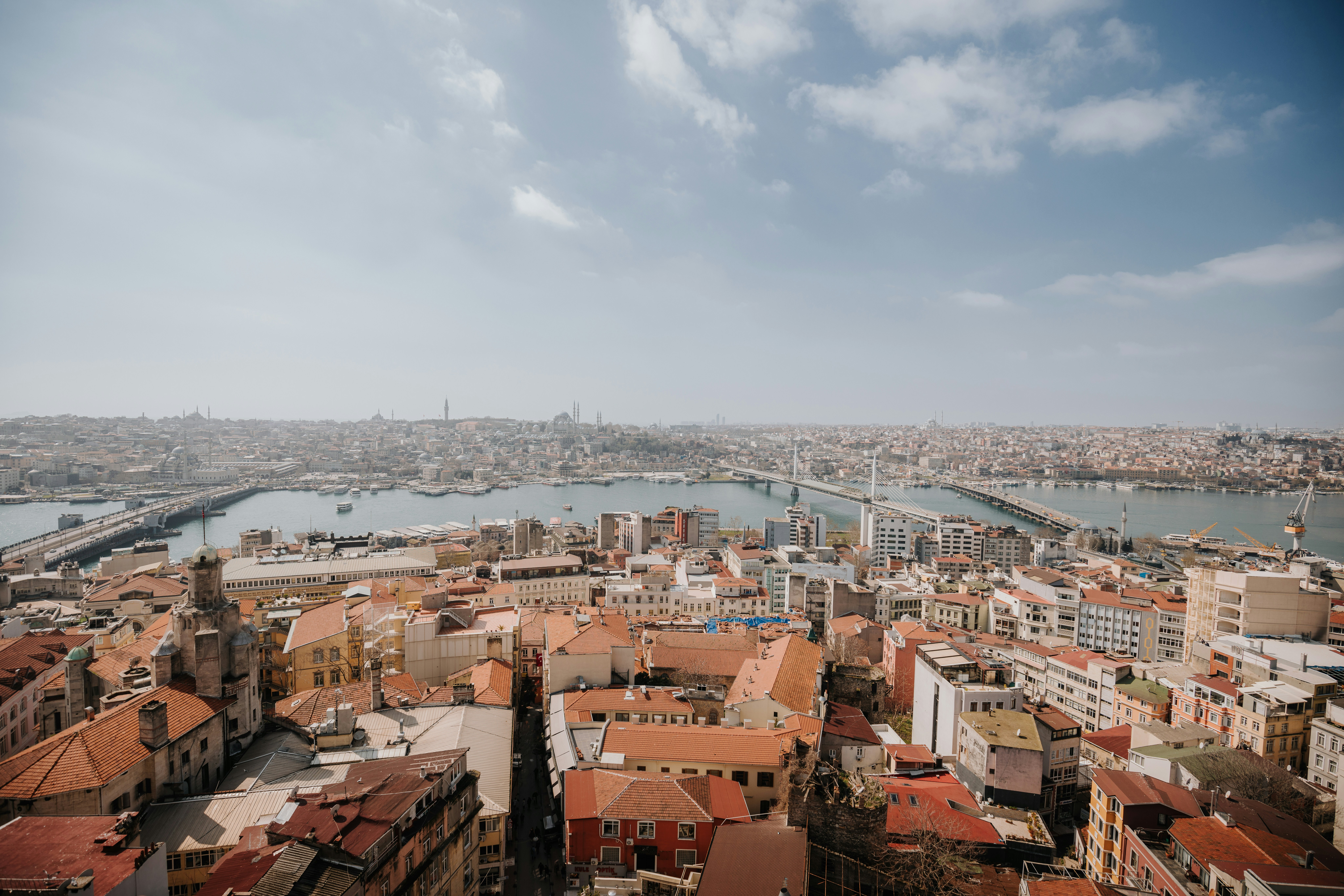
Istanbul is a transcontinental megacity with approx. 16 million inhabitants and a metropolitan area of 5,000 km². Daily water demand exceeds 3 million m³, with 97% supplied by surface reservoirs. Around two-thirds of the population lives on the European side, but most water resources lie on the Asian side, requiring large-scale transfers. The city faces seismic risks, recurrent droughts, and high network losses due to aging infrastructure. These pressures demand both technical upgrades and NbS to ensure reliable supply and resilience.
Challenge
Explosive growth and urban sprawl strained local reservoirs, increased pollution risks, and forced reliance on distant sources. Encroachment in catchments and sealed surfaces reduced natural infiltration, while sprawling distribution networks amplified leakages. Istanbul needed a system that could balance demand, protect basins, and withstand climate and seismic risks.
Solution
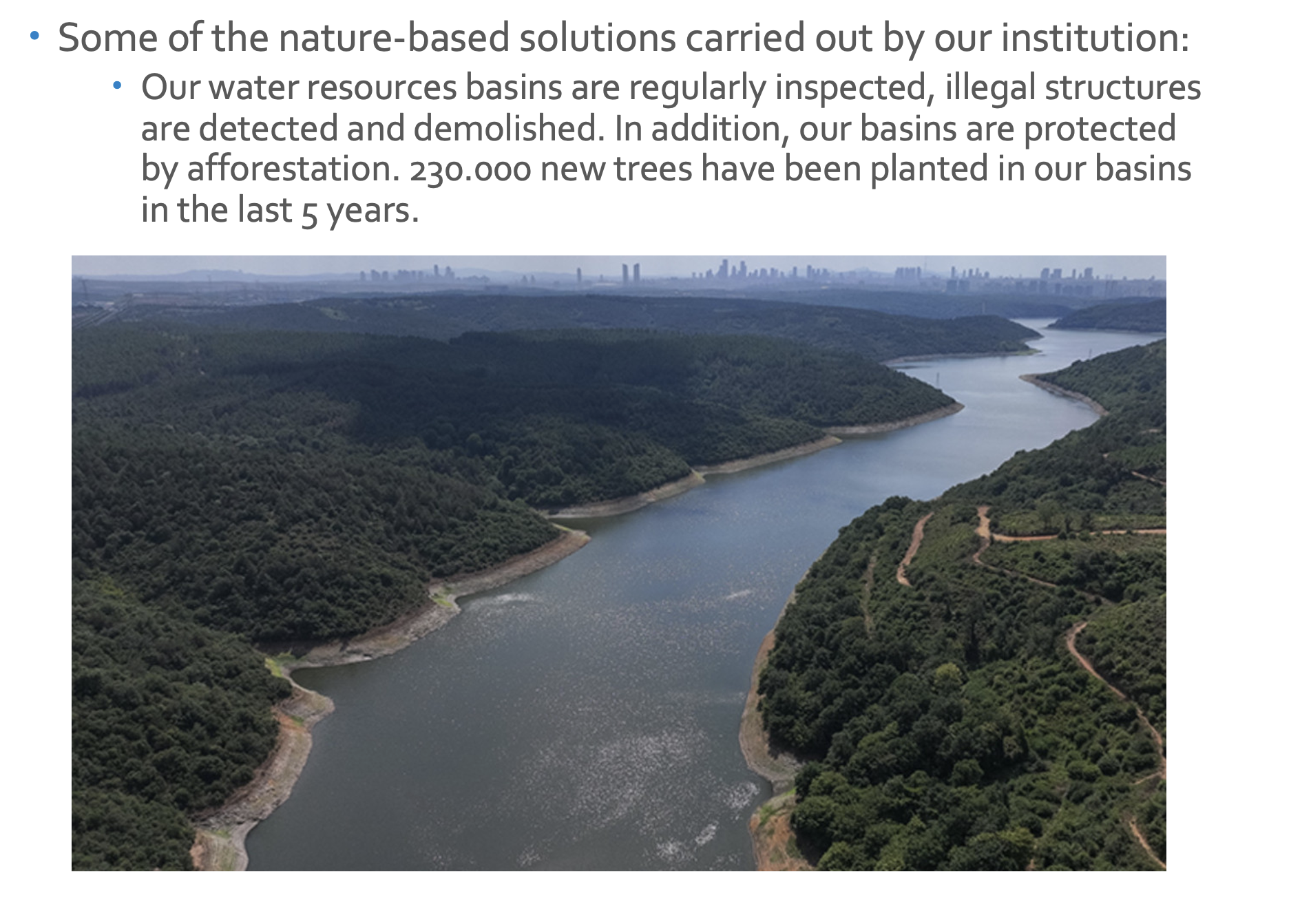
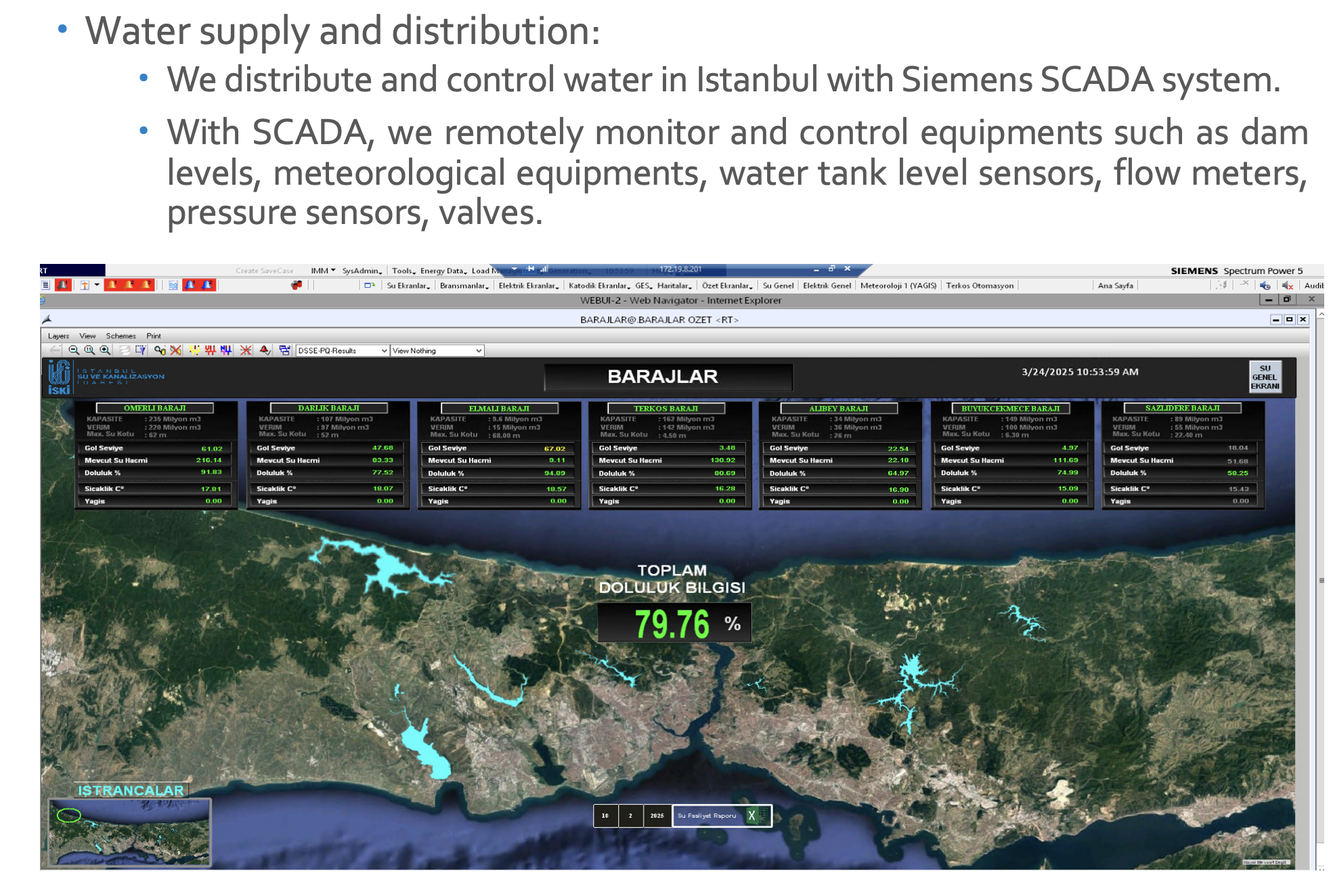
The city’s response combined NbS and engineering. Streams were rehabilitated into Life Valleys that act as flood buffers, recreational parks, and biodiversity corridors. Over 230,000 trees were planted in water basins, illegal construction was removed from catchments, and rainwater harvesting became mandatory for large new buildings. These NbS were integrated into ISKI’s broader water system, complementing tunnels, dams, and treatment plants.
Key Impacts
80 km of streams rehabilitated
in 6 years, reducing flood risks
52 km² of new green space
created through Life Valleys
230,000 trees planted
in catchments for erosion control and basin protection
1,243 rainwater harvesting systems
approved since 2021
Improved stormwater retention and infiltration
reducing drought vulnerability.
Cleaner ecosystems and biodiversity gains.
in previously degraded areas
New recreation corridors
with walking and cycling routes, improving quality of life
Comments ()