

Driving Change on Two Wheels in Pune
Accelerating electric mobility with a citywide EV readiness plan
Status
City description
Pune, located in the state of Maharashtra, is home to 3.4 million residents and is consistently ranked among India’s most liveable cities. It is known for its dynamic IT and technology sector, strong academic institutions, and vibrant cultural life. The city also has one of the highest two-wheeler ownership rates in India and the second-highest rate of car ownership, highlighting both the demand for mobility and the pressure on infrastructure and air quality. This combination of economic growth, student-driven urban culture, and increasing congestion makes Pune an ideal testing ground for India’s electric mobility transition.
Challenge
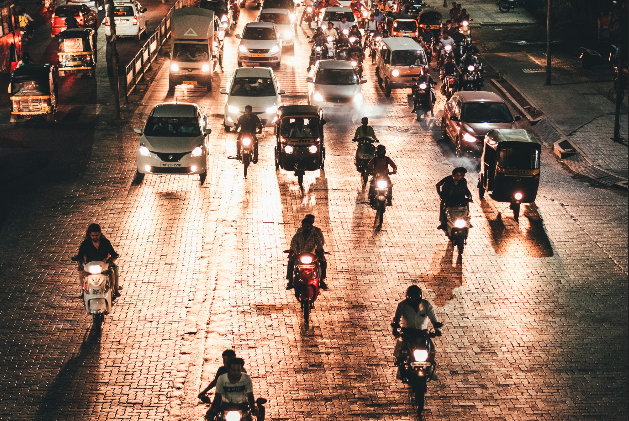
Rapid motorization in Pune contributes to traffic congestion, air pollution, and high CO₂ emissions. Two- and three-wheelers dominate the city’s vehicle mix, worsening air quality and oil dependency. The lack of charging infrastructure and fragmented policy approaches made it difficult to scale cleaner alternatives.
Solution
The EV Cell and EV Readiness Plan set adoption targets, streamline approvals, and expand infrastructure for charging and battery swapping, while mobilizing private and public investment to make EVs cost-competitive and accessible while building an ecosystem approach addresseing infrastructure, affordability, governance, and community acceptance in parallel.
Key Impacts
35% EV penetration target for two-wheelers by 2025
directly addressing the city’s largest vehicle segment.
25% penetration target for passenger and freight three-wheelers
a vital step for low-cost shared and goods transport.
50% electrification target for fleet aggregators
(delivery, e-commerce, mobility) by 2025; 15% mandated by 2023.
1 new EV manufacturing plant (Clean Motion’s Zbee)
set up in Pune, creating local jobs and domestic supply chains.
Citywide charging network expansion
with battery swapping options, reducing operational barriers.
Dedicated low-emission zones piloted
to curb local air pollution and showcase benefits of EV transition.
Comments ()