


San Francisco: Counting Carbon in the Alameda Watershed
Ecosystem carbon accounting to ground San Francisco’s net-zero pathway
Status
City description
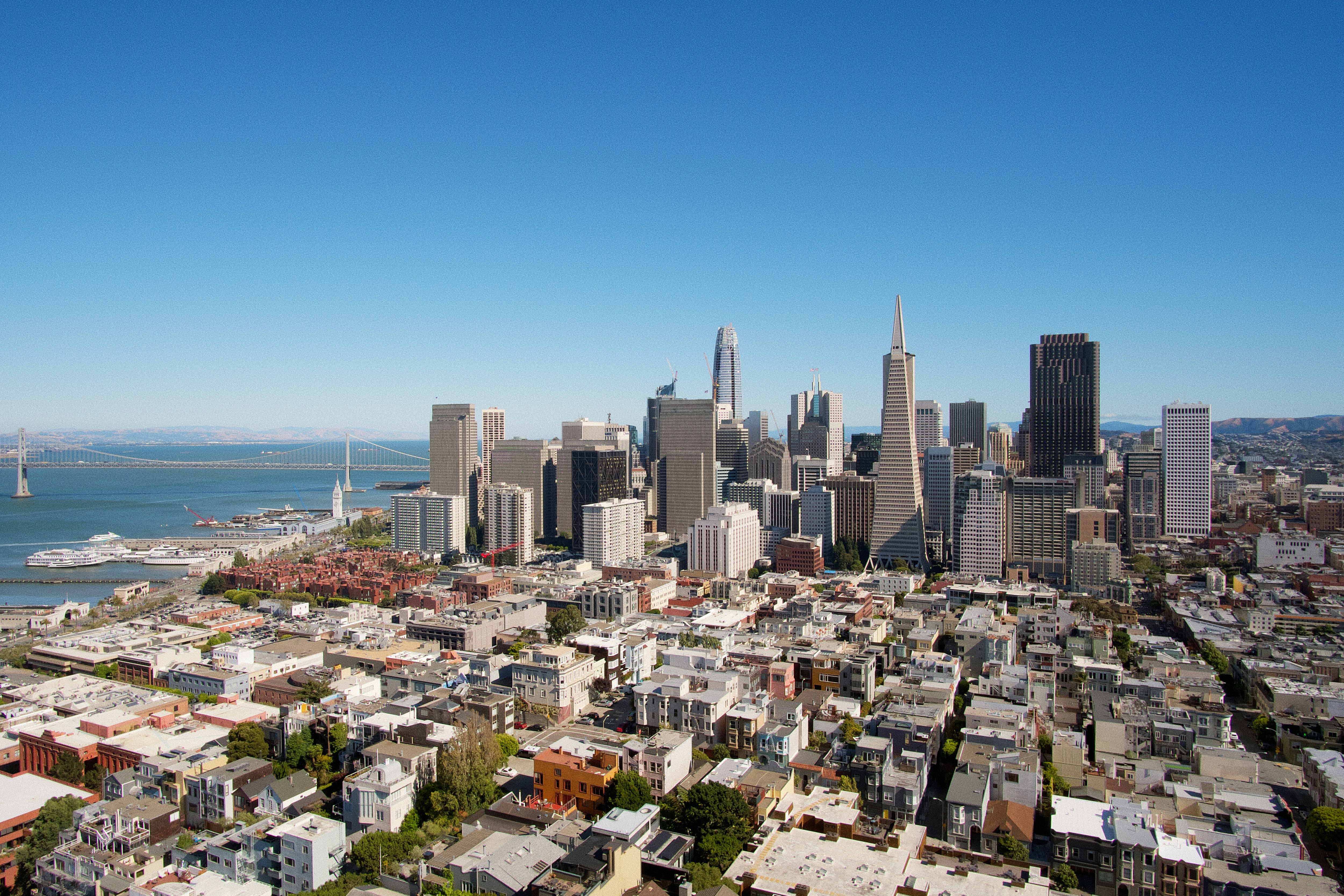
San Francisco is a compact, dense city-county on California’s Pacific coast, home to 808,988 people on 121.5 km² (density 6,689 people/km²). Its 2022 GDP was about USD 655 billion, driven largely by information, professional services and finance. The city sits within the California Floristic Province, a major global biodiversity hotspot with around 3,500 plant species, 61% of them endemic, and hosts rare species such as the mission blue butterfly and the California red-legged frog. San Francisco’s Climate Action Plan commits to 61% emissions reductions by 2030 and net-zero by 2040, with a dedicated Healthy Ecosystems chapter emphasising nature-based solutions and equitable access to green space.
Challenge
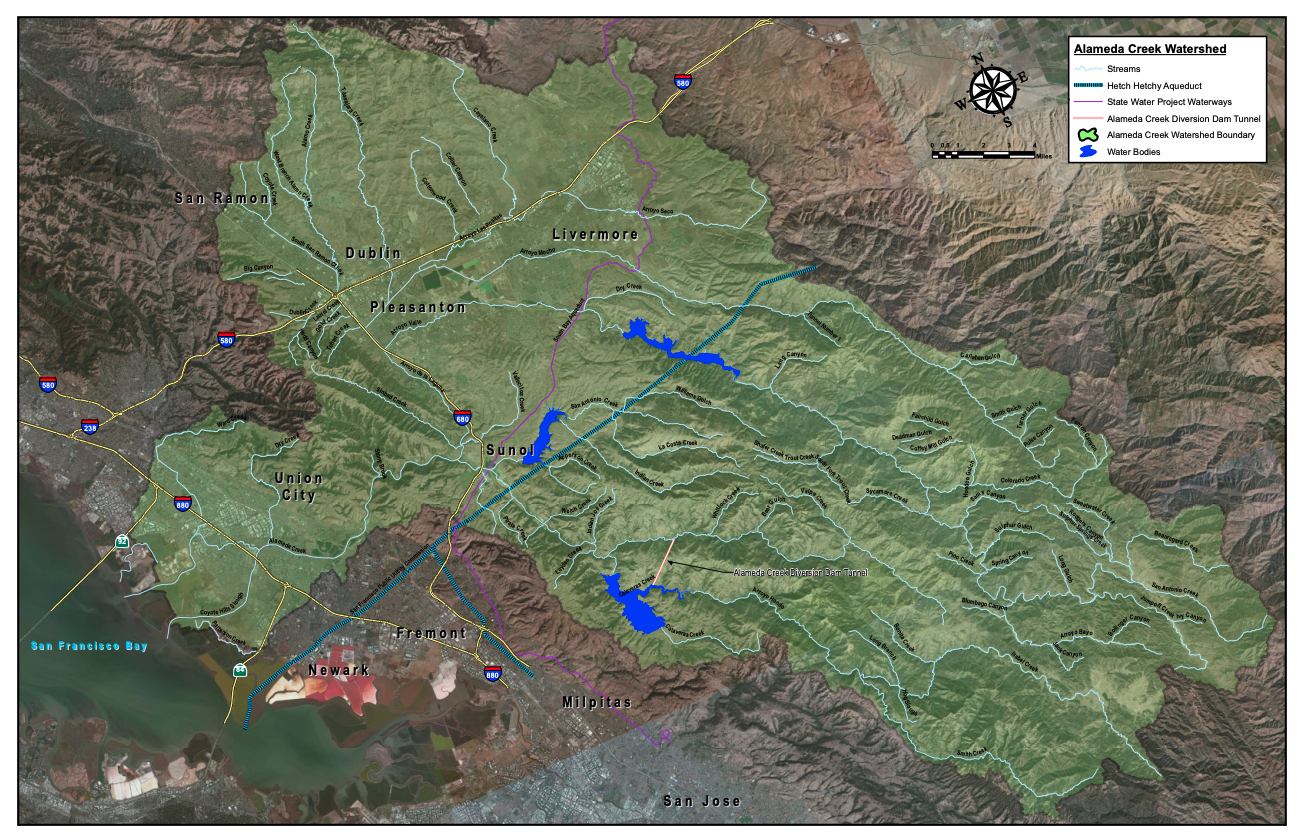
San Francisco needed a clear, science-based understanding of how much carbon its Alameda Watershed could realistically sequester. Without robust data, nature-based solutions risked being overestimated in the city’s net-zero planning.
Solution
The city conducted a full ecosystem carbon assessment across 40,000 acres to quantify current carbon stocks and model management options. This produced a practical, evidence-backed baseline showing the watershed’s true climate role and guiding future land-use, restoration and climate decisions.
Key Impacts
2.5 million tonnes of carbon stored
in the Alameda Watershed’s ecosystems (2022), providing significant climate and ecological value.
80% of this carbon in soils
underlining the importance of soil-conserving management and fire-smart practices.
Up to 0.4% of 1990 city emissions per year
proving that land carbon can only play a modest role in net-zero delivery.
39,000–40,000 acres assessed
in a single, consistent carbon accounting framework, one of the largest such landscape-level analyses in the Bay Area
Per-acre carbon densities comparable to the Amazon rainforest
in riparian forests and oak woodlands, elevating their priority for strict conservation
Comments ()