

Bogotá’s Pioneering Urban Net Zero Strategy
Championing offsets as bold climate emergency action
Status
City description
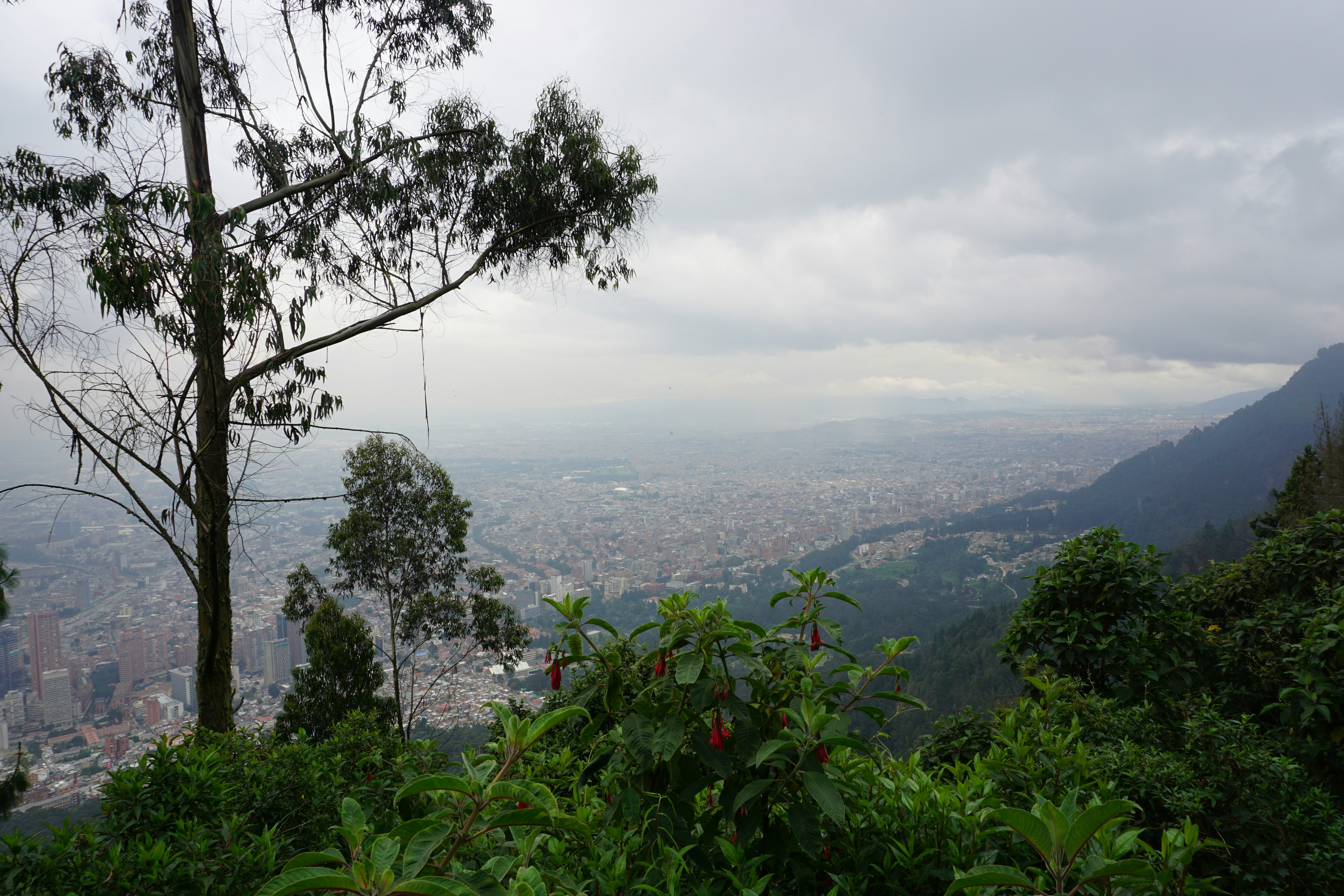
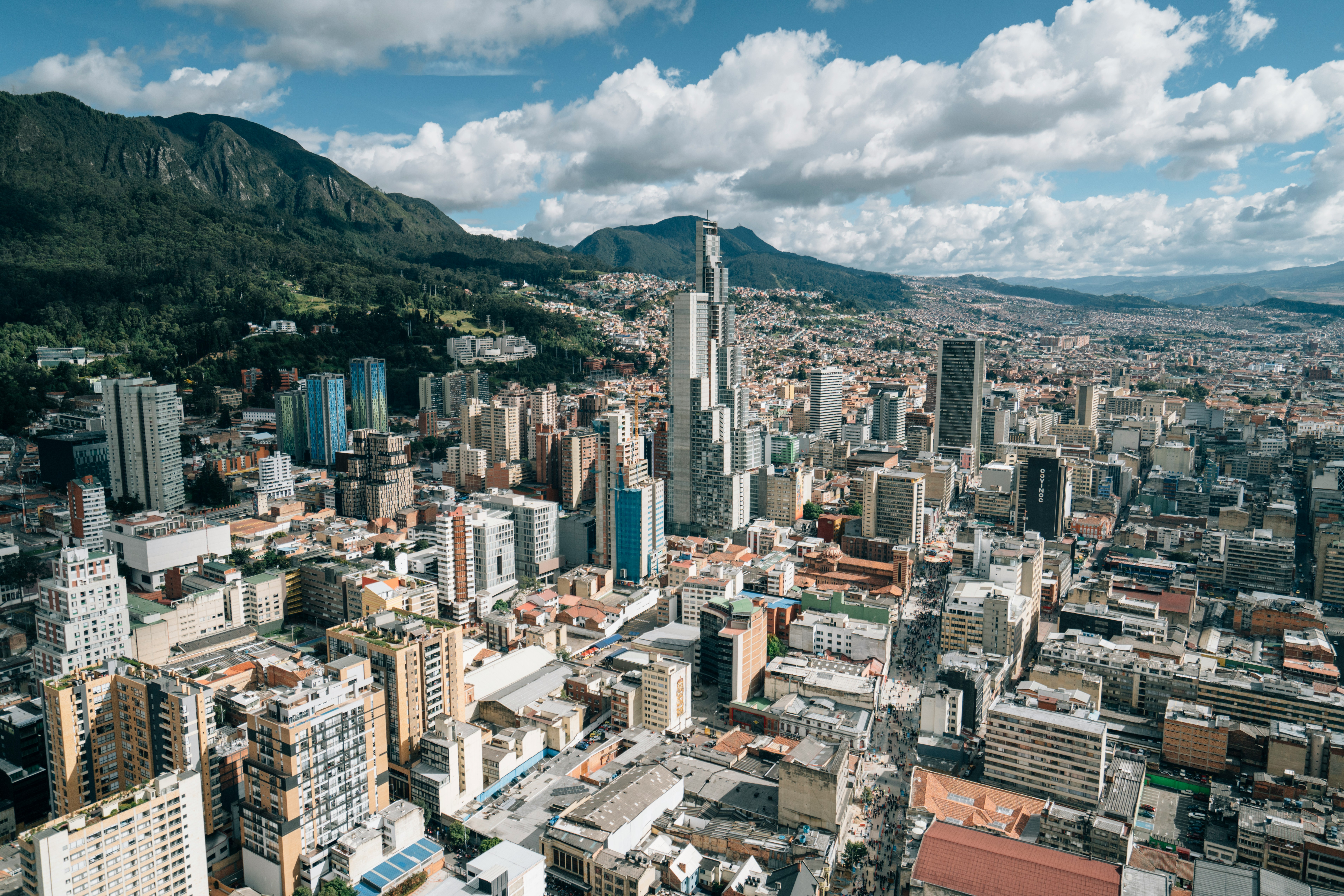
Bogotá is Colombia’s capital and largest city, home to over eight million residents and responsible for about 11 million tonnes of CO₂ emissions in 2018, equivalent to 4.1% of the national total. Its emissions come primarily from transport, which contributes nearly half the city’s footprint, followed by energy use in buildings, industrial processes, and waste. The city faces challenges of rapid urbanization, traffic congestion, air pollution, and social inequality, making climate action not only an environmental goal but also essential for public health and resilience. The Climate Action Plan provides a long-term strategy that integrates mitigation, adaptation, and offsetting into Bogotá’s development pathway.
Challenge
Bogotá’s emissions are entrenched in high fossil-fuel dependence, rapid construction, and increasing waste streams. Even with ambitious actions, modelling shows that about 20% of emissions will remain by 2050, particularly from the waste and building sectors. These residual emissions cannot be abated with current technologies or costs alone.
Solution
Bogotá has exceeded its 15% goal for 2024 goal by prioritising deep emissions cuts now, with tree planting, clean mobility projects, and renewable energy, while preparing to use Colombia’s national ETS from the 2030s to offset residual emissions. Offsets will focus on nature-based credits from forests and watersheds, ensuring both climate and ecosystem benefits.
Key Impacts
11 MtCO₂e total
baseline emissions (2018).
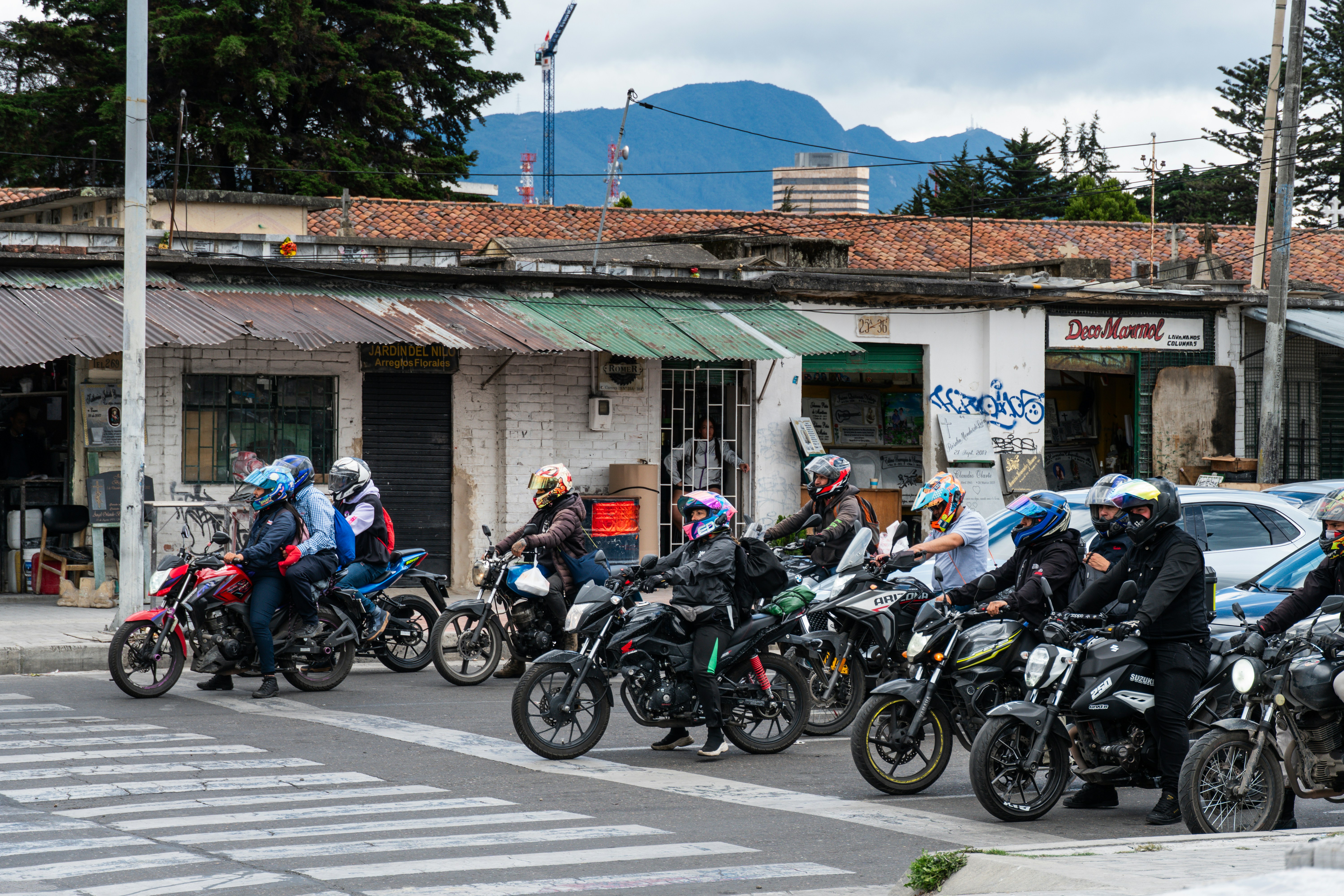
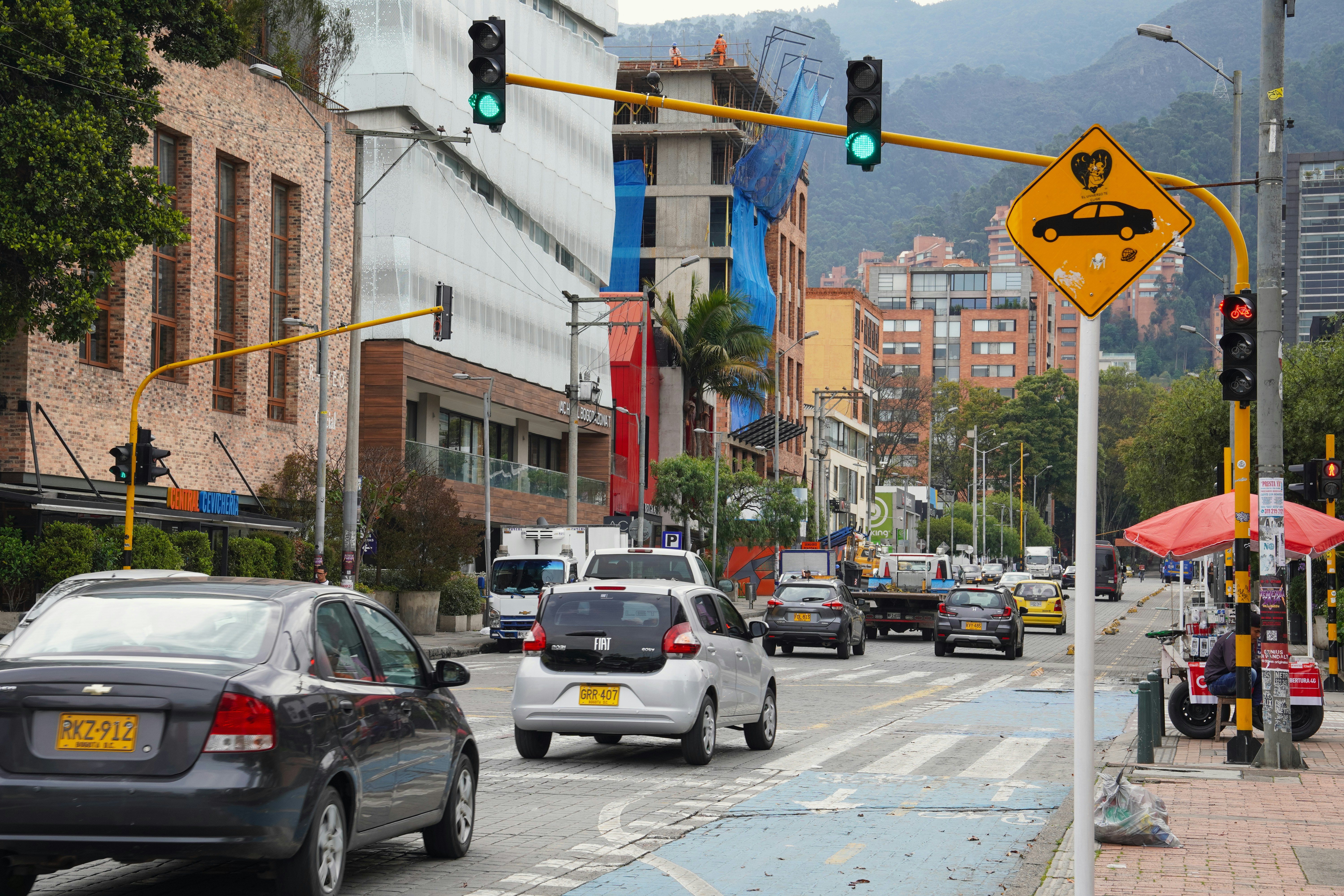
48% of emissions from transport
highlighting the urgency of mobility transition.
15% reduction achieved by 2023
surpassing the 2024 milestone
50% reduction target by 2030
driven by mitigation measures.
20% of residual emissions
expected to be offset by 2050
1.7 million potential green jobs
created by 2030 through climate action
Awards
- One Planet City Challenge winner (2021–2022) for climate leadership.
Comments ()