

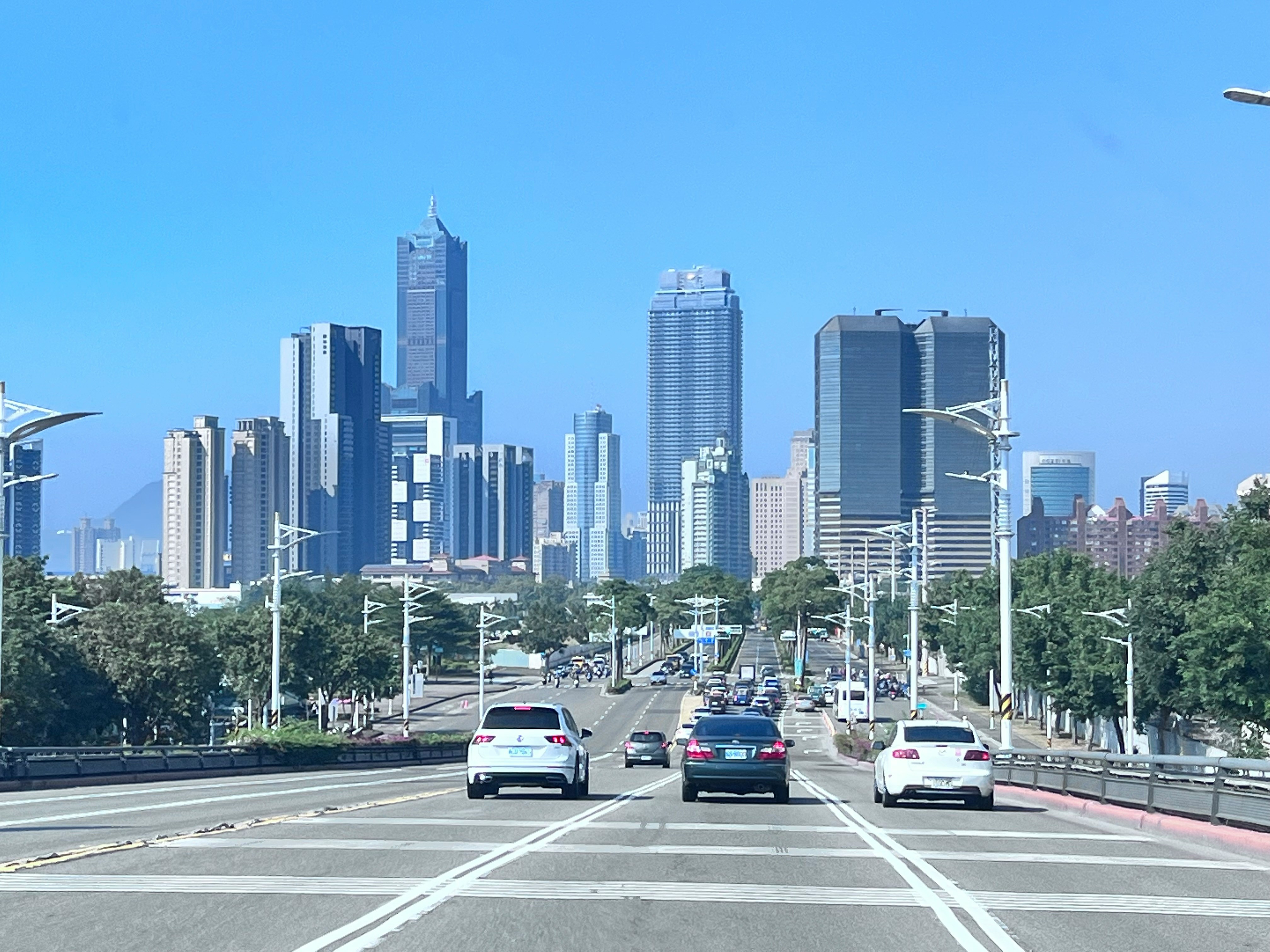
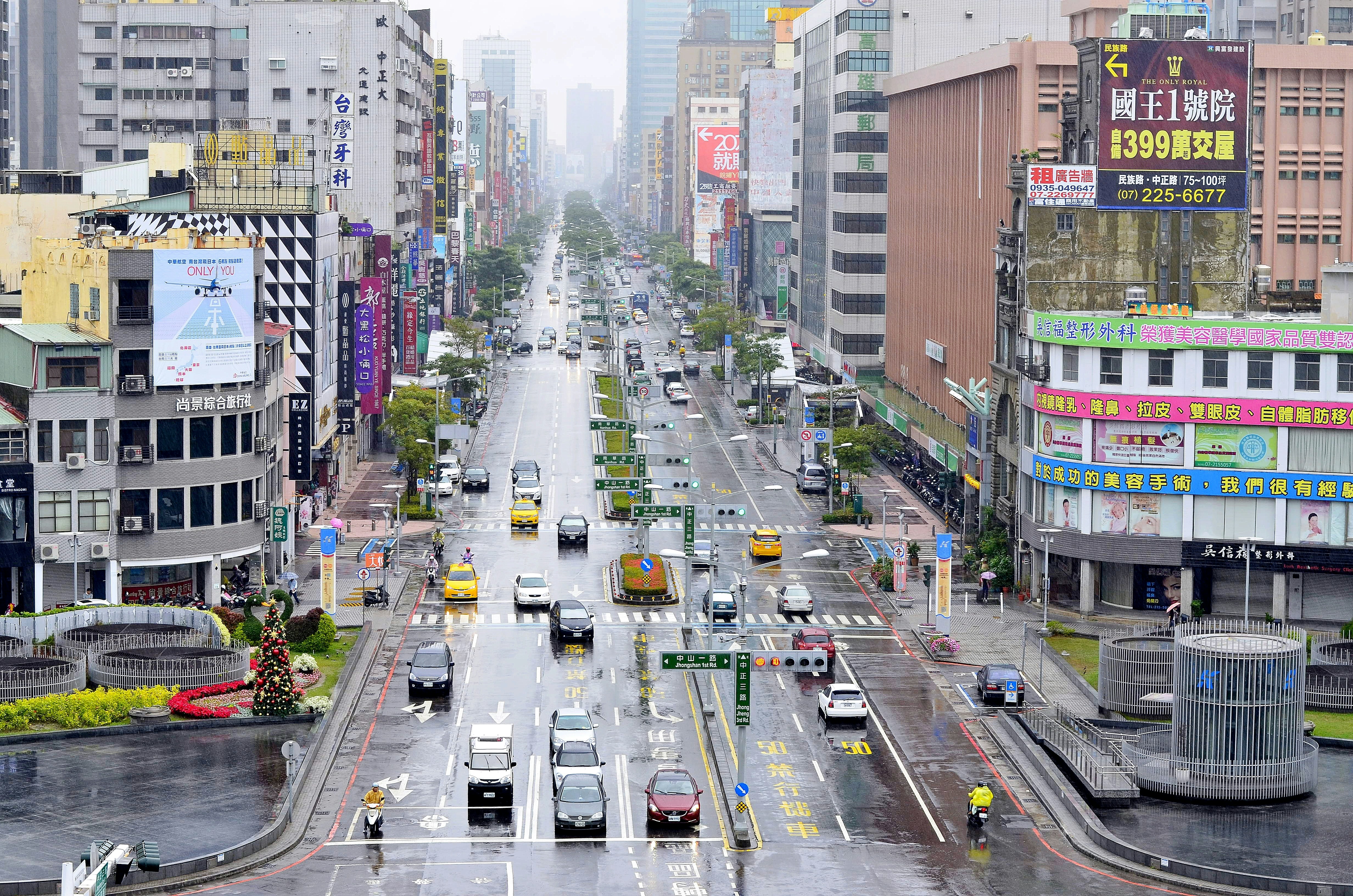
Kaohsiung: Redefining Urban Mobility
Creating inclusive, low-carbon mobility for all
Status
City description
Kaohsiung, the third-largest city in Chinese Taipei with 2.7 million residents, is a global port hub and major center for industry, shipping, and logistics, traditionally shaped by heavy manufacturing and petrochemicals. Today, the city is diversifying into commerce, services, tourism, and the green economy, positioning itself as a leader in sustainable urban mobility to balance its industrial heritage with a more people-centered future.
Challenge
Kaohsiung struggles with car dependency, congestion, and air pollution, alongside inequities in access to safe and affordable transport for women, the elderly, people with disabilities, and rural residents.
Solution
The city is pursuing a just, multimodal, and low-carbon transport system that reduces emissions through electric buses, integrates services via the MenGo MaaS platform, expands walking, cycling, and shared mobility, and ensures rural and underserved areas are fully included.
Key Impacts
2.7 million residents
directly benefit from inclusive transport design.
100% electric bus fleet by 2030
progressive phase-out of diesel buses already underway.
1 unified MaaS platform (MenGo)
integrates light rail, bus, ferry, MRT, and YouBike 2.0 into a single payment and service system.
90%+ of the bus fleet equipped
with accessibility features such as low floors and wheelchair ramps.
10,000+ shared bicycles (YouBike 2.0)
connected to the MaaS system, expanding active mobility options
50% of citywide CO₂ reduction potential
tied to transport actions, supported by MaaS and electrification.
Hundreds of accessibility upgrades implemented
including ramps, tactile paving, adapted taxis, and safer pedestrian facilities
Significant modal shift potential
enabled by integrated public transport and incentives to reduce private car use.
Rural and peripheral areas included
through expanded services and data-driven route planning to improve equity.
Comments ()