

Energising Resilience: Yokohama’s Distributed Decarbonisation
From waterfront emissions to distributed energy
Status
City description
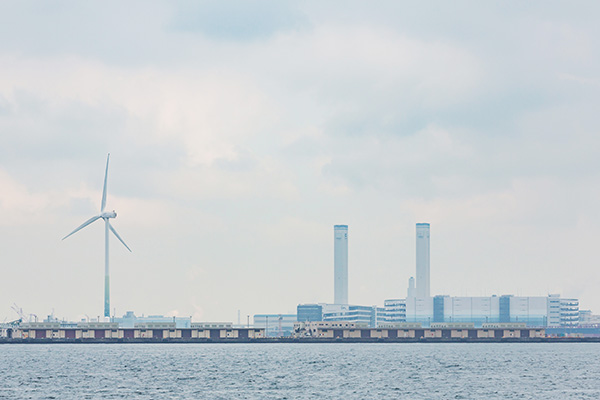
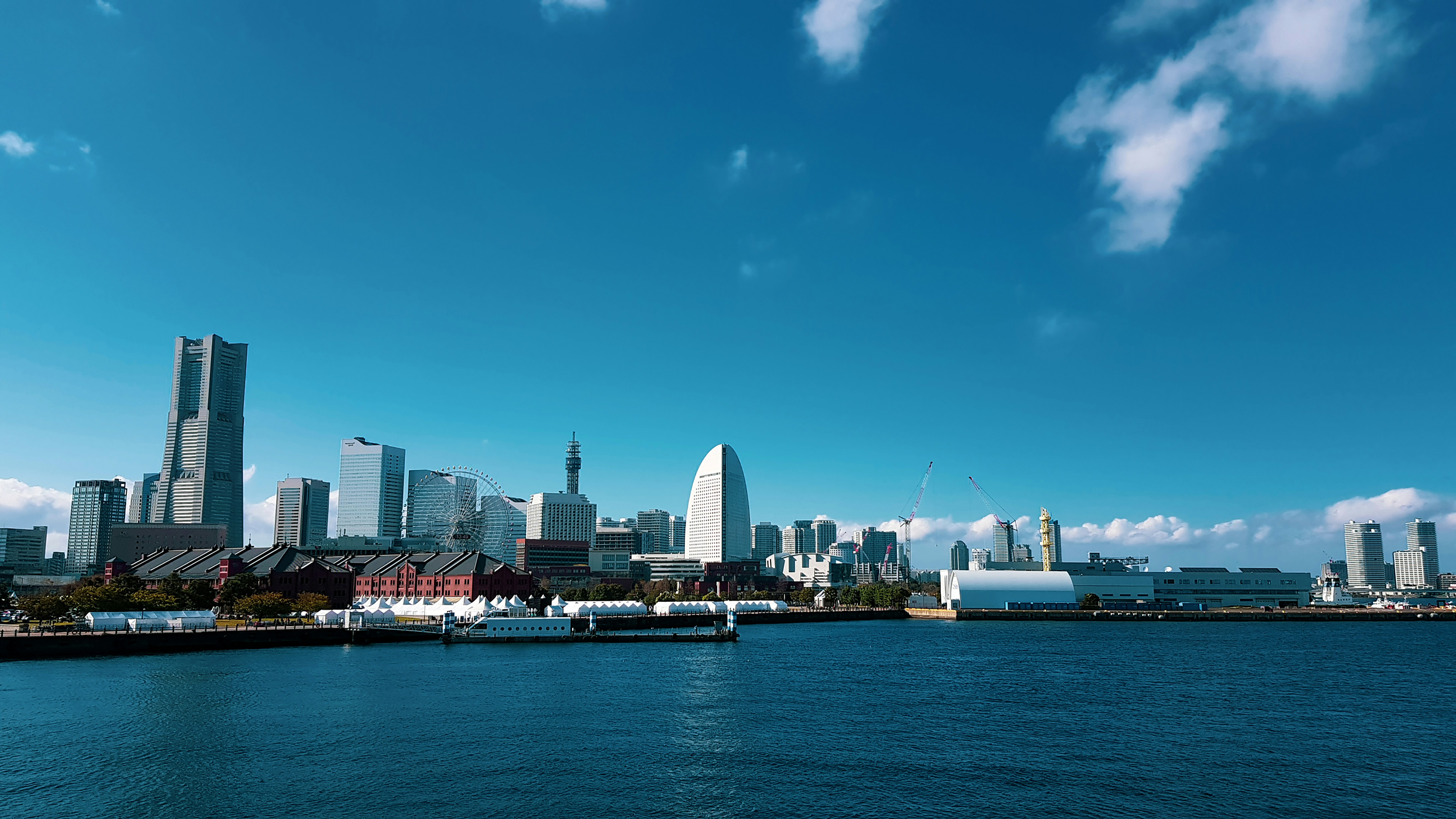
Yokohama is Japan’s second-largest city, home to 3.77 million residents and covering 438.23 km². It is a major industrial and port hub with a strong services sector, representing a GDP of approximately ¥14.7 trillion (approx. €81.217 billion). The city faces high exposure to coastal hazards, flooding, earthquakes, and heat. Within this context, the Minato Mirai 21 district —where about 10% of the city’s commercial-sector energy consumption is concentrated—hosts numerous global companies and R&D hubs actively engaged in decarbonization. It also operates Japan’s largest district heating and cooling system and benefits from a well-established area management organization, providing a solid foundation for integrated public-private implementation. These factors make it the strategic centre of Yokohama’s energy transition and resilience agenda.
Challenge
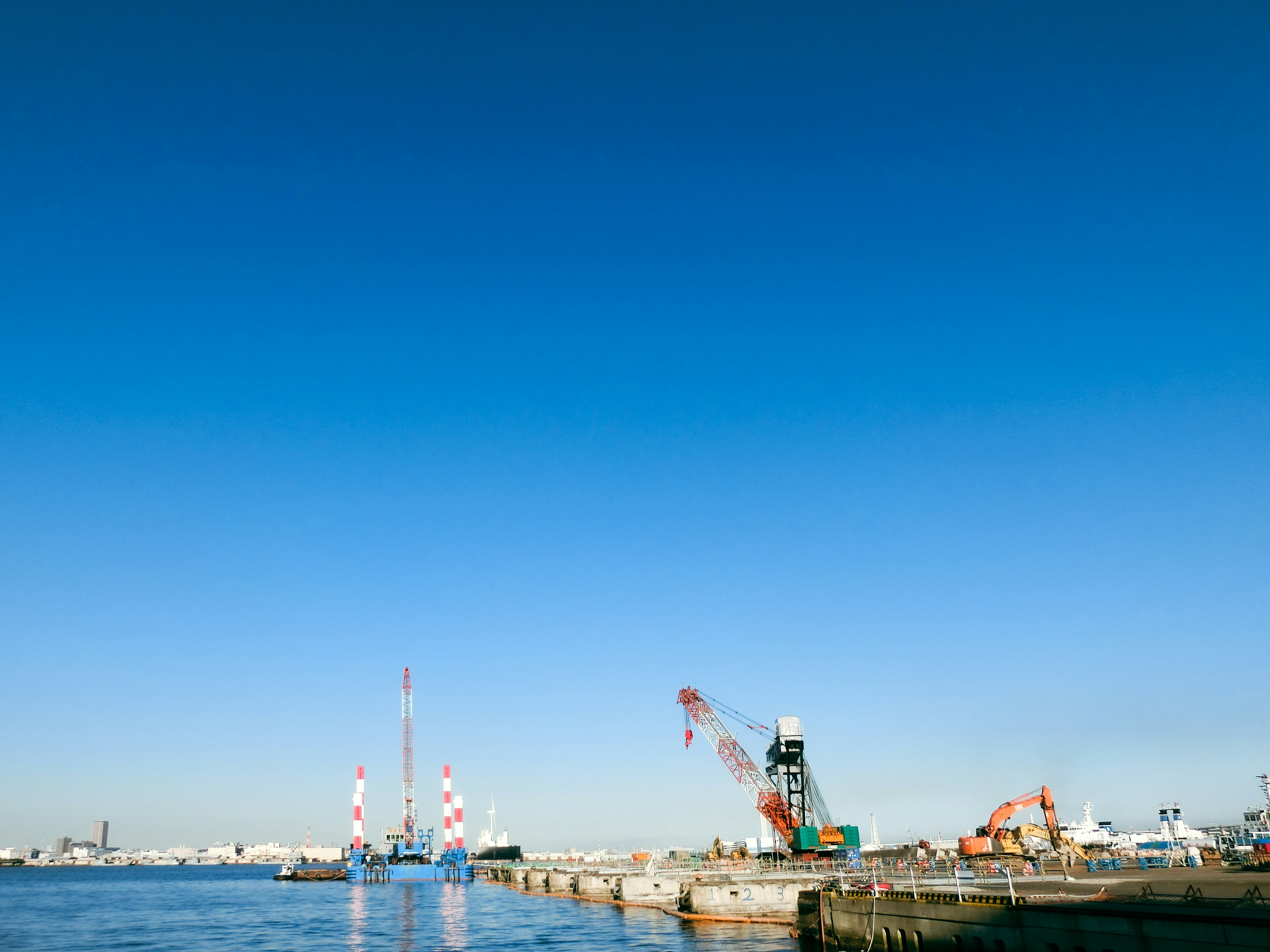
Yokohama’s energy demand is high and spatially concentrated, with significant emissions from port and industrial activities, ageing infrastructure exposed to climate and seismic risks, and limited local renewable potential (10% self-sufficiency by 2050).
Solution
The city is deploying a distributed, flexible, and diversified energy system that integrates solar (rooftop and floating), energy efficiency, district upgrades, storage, hydrogen and ammonia pilots, microgrids, sustainable port operations, and partnerships with 70+ municipalities for external renewable supply. The strategy blends mitigation and adaptation, ensuring cleaner energy while strengthening disaster resilience.
Key Impacts
Achieve net-zero CO₂ emissions by 2030
from electricity consumption in the central waterfront model district (Minato Mirai 21)
37% reduction achieved
as of 2024, in the Minato Mirai 21 district
Net Zero by 2050
and "hlaf carbon" by 2030
25% GHG emissions reduction citywide
in 2023, compared to 2013
30% energy savings in eligible retrofit projects
under the city’s sustainable finance framework.
50% projected reduction in citywide energy consumption
by 2050 through efficiency and electrification measures.
Collaboration with 17 municipalities
stabilizing renewable energy supply and share economic benefits
Comments ()