

Oreamuno: Climate Action from the Ground Up
Community-driven climate resilience in a rural-urban territory
Status
City description
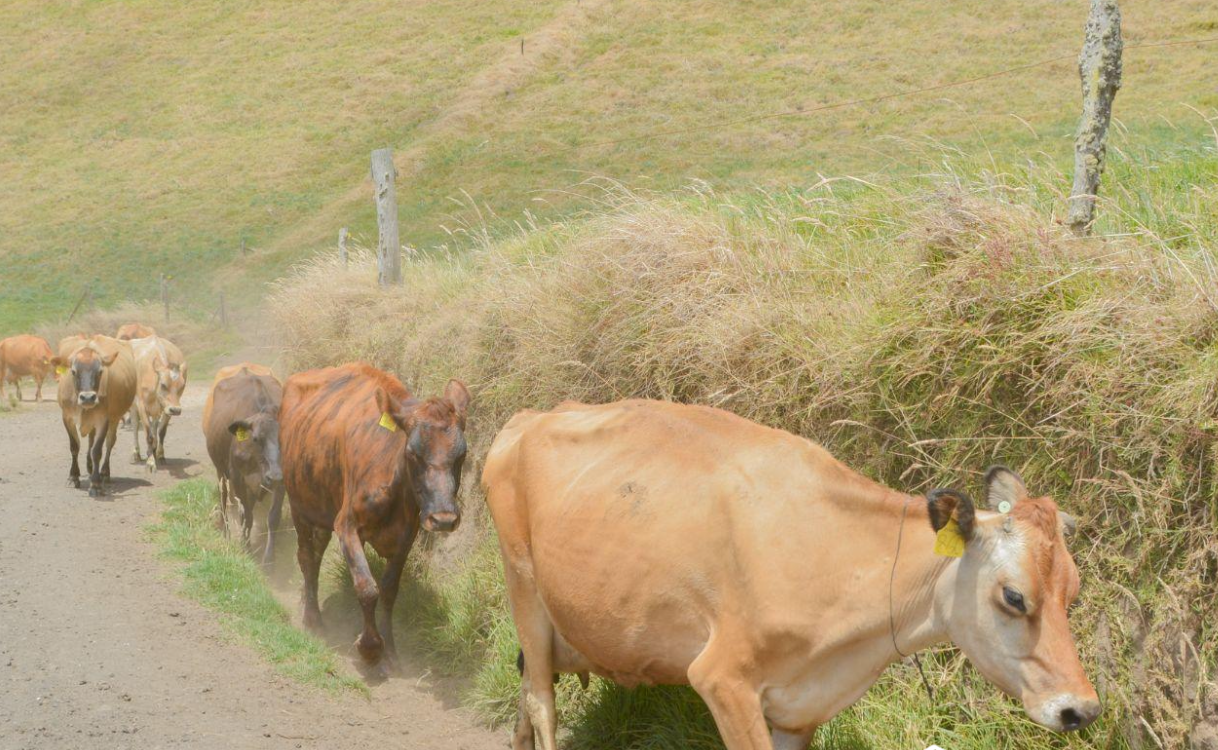
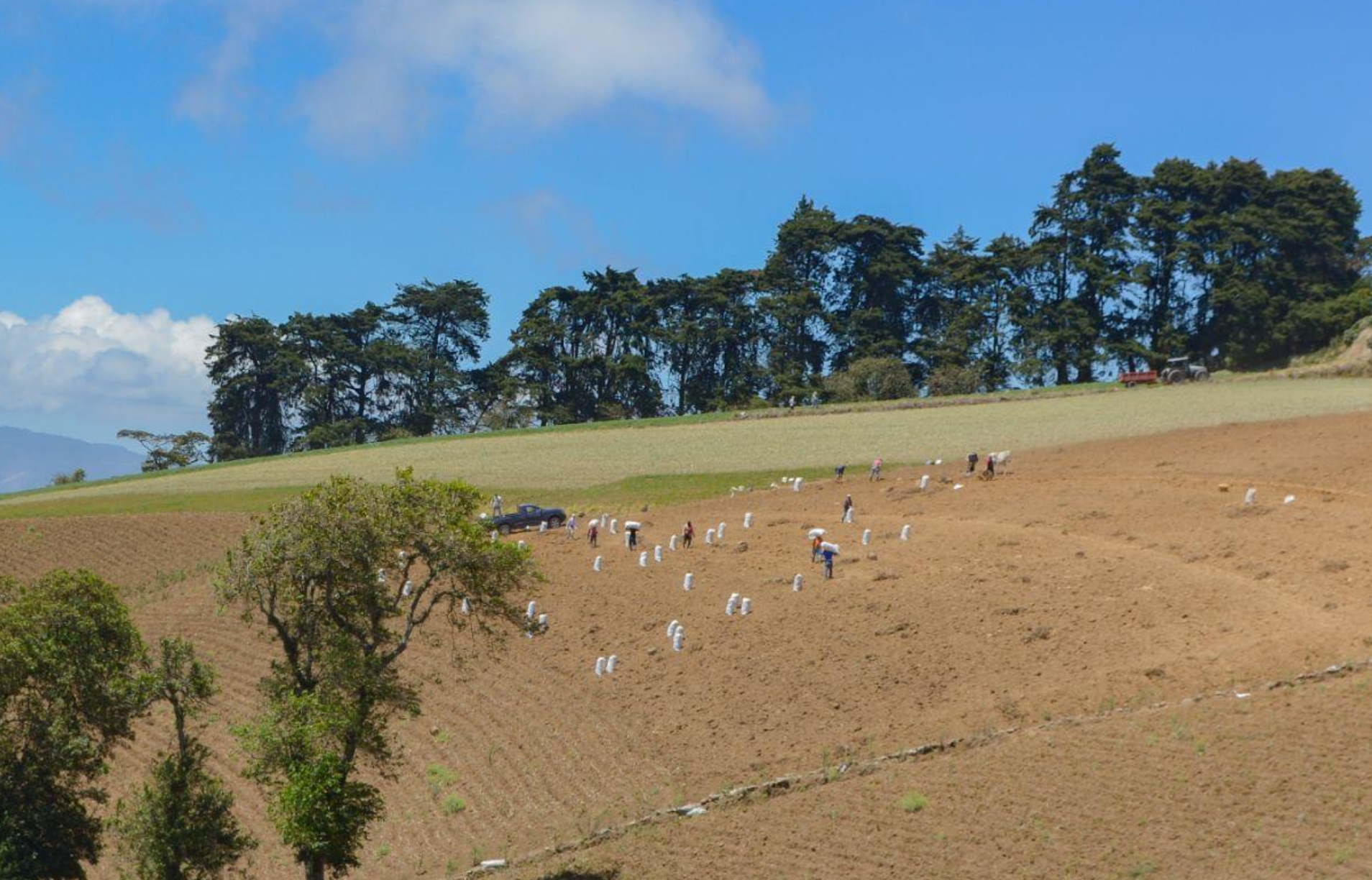
Oreamuno is a canton of Cartago with approximately 48,000 inhabitants and an area of 202 km², characterised by high-altitude agricultural landscapes and strong community organisation. The canton is a key producer of vegetables, dairy, and horticultural goods for the country. Its terrain, marked by slopes, water recharge zones and rural settlements, makes climate resilience and environmental management central to its development pathway.
Challenge
Oreamuno faces recurring climate impacts: soil erosion, flood risks in critical points, biodiversity pressure affecting food production, and waste management challenges exacerbated by agricultural and commercial activity. At the same time, smallholder farmers and local businesses require support to adopt sustainable practices.
Solution
The municipality deploys a multi-pillar climate programme addressing risk reduction, agricultural resilience, biodiversity protection, solid-waste circularity, and private-sector responsibility. Actions combine physical interventions (e.g., retention boxes, absorption ponds, compost units), capacity-building, regulatory incentives, and community collaboration.
Key Impacts
474 composters installed
across all districts, enabling widespread household composting.
11 tonnes of compost generated
by households, improving soil and reducing organic waste.
600–800 kg/week of agricultural organic waste
processed into compost from the San Rafael market.
2,000 trees planted
to restore recharge zones and protect springs.
1,000+ kg of agrochemical containers
safely recovered using triple washing.
70+ farmers trained and supported
in sustainable agricultural practices.
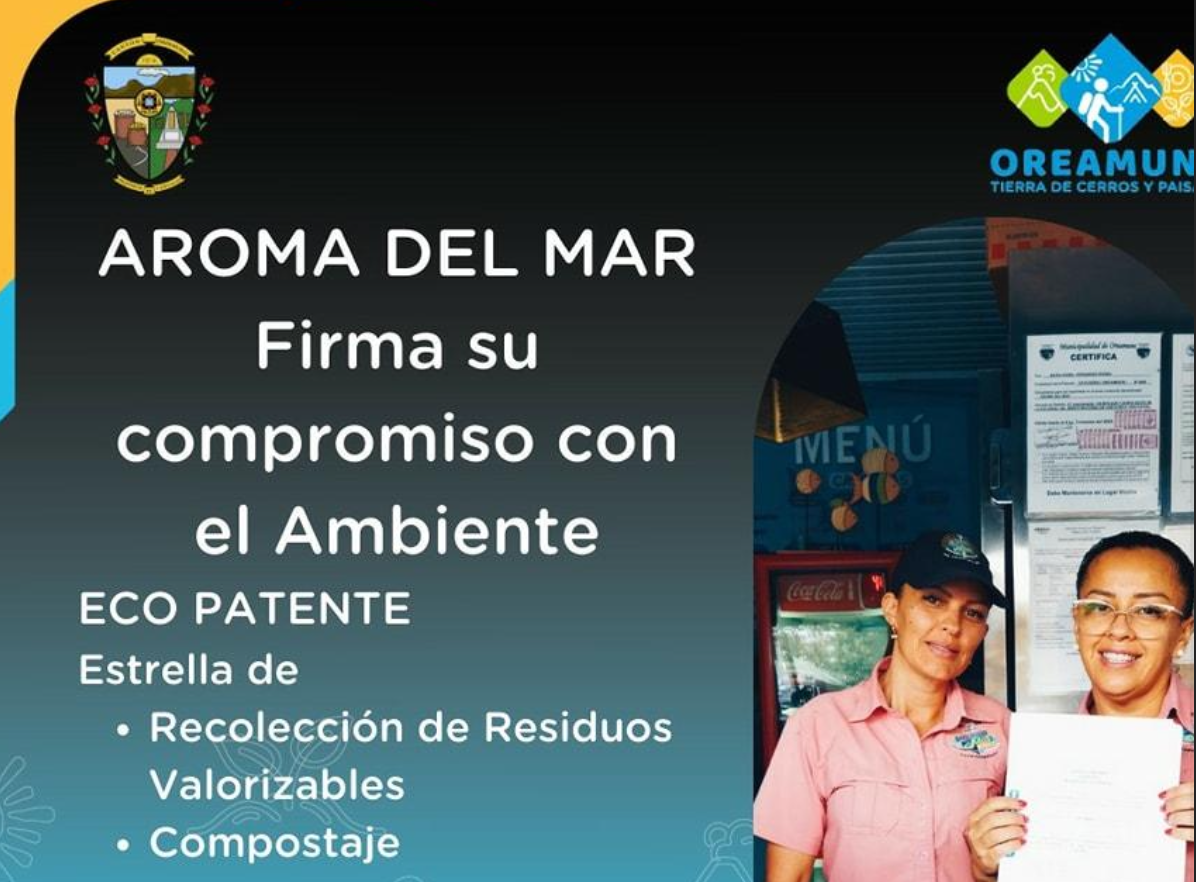
40 "EcoPatent" businesses
participating in the "EcoPatente" sustainability certification.
Educational Awareness by
installing bee hotels, pollinator gardens, protective mesh, and education campaigns across schools and public spaces
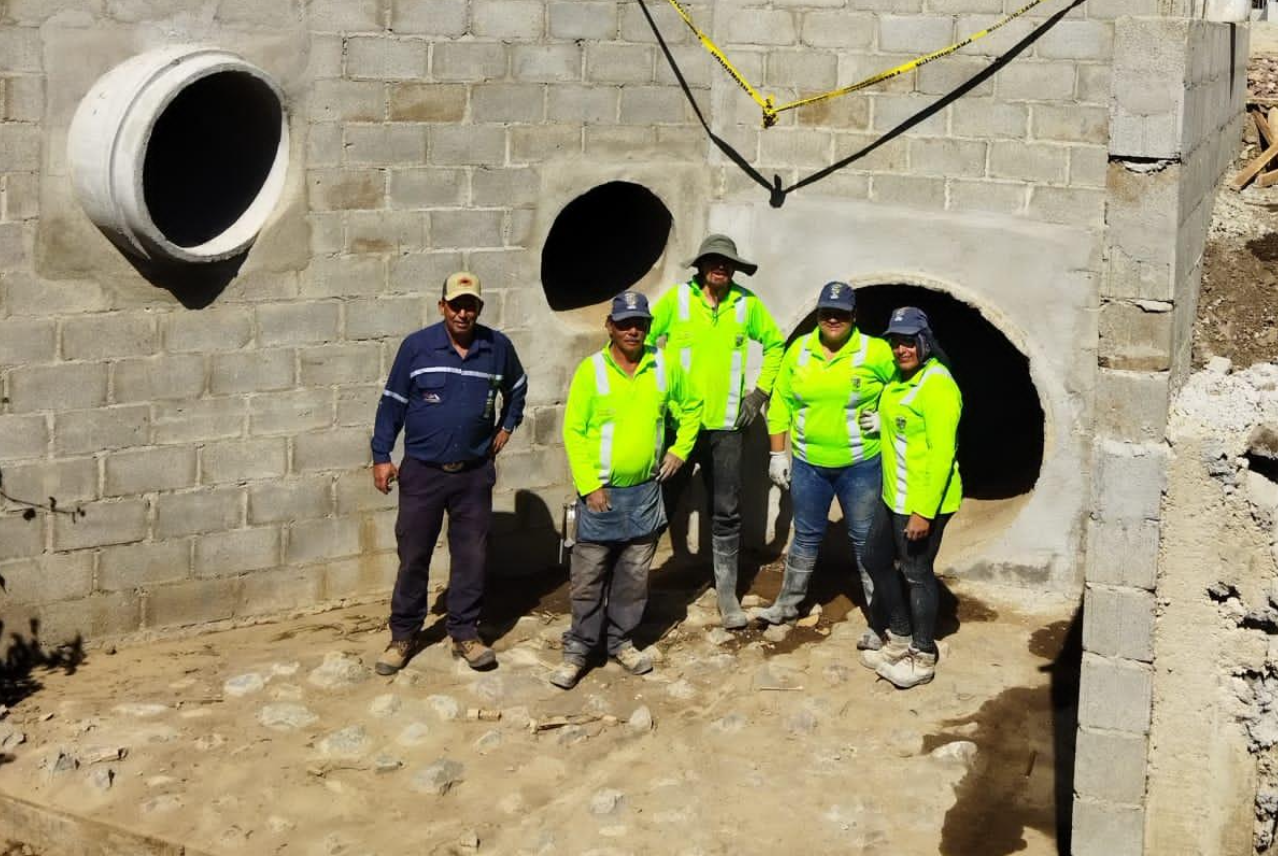
Flood reduction in critical points by
• Creation of absorption ponds, retention boxes, and erosion-control channels
Comments ()