

Mumbai Heat Resilience Action
Building a cooler, safer city through data, planning, and community action
Status
City description
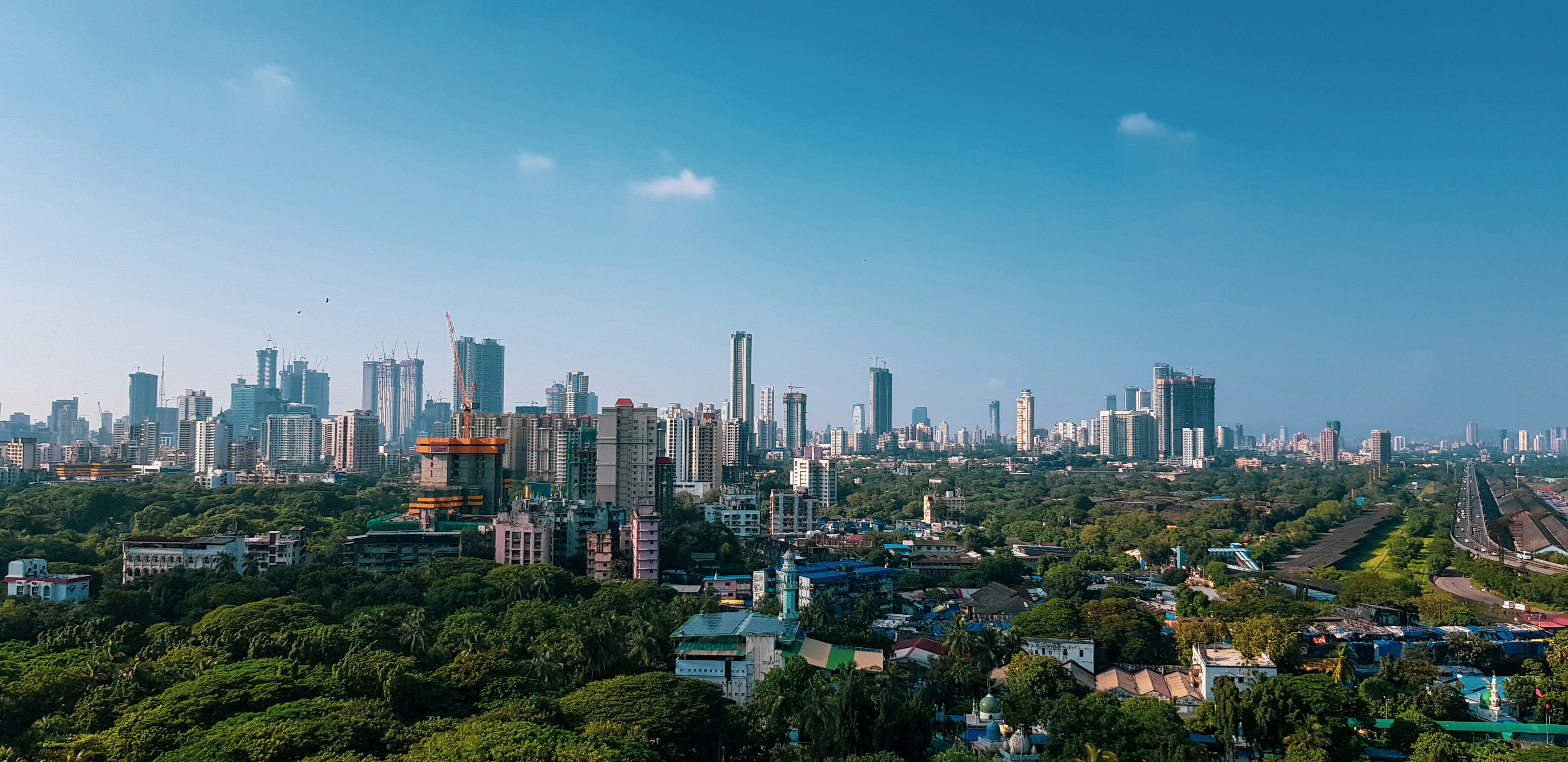
Mumbai is India’s financial capital and one of the world’s most densely populated coastal megacities, home to more than 20 million residents. Governed by the Brihanmumbai Municipal Corporation (BMC), the city combines extreme density, rapid vertical development, significant informal settlements, and high humidity, making it acutely vulnerable to rising temperatures. Mumbai is also a national climate leader: it was the first city in South and West Asia to align its Climate Action Plan with the Paris Agreement and the first in the Global South to publish a municipal Climate Budget. Its commitment to net-zero by 2050 shapes a comprehensive, citywide approach to heat resilience and climate adaptation.
Challenge
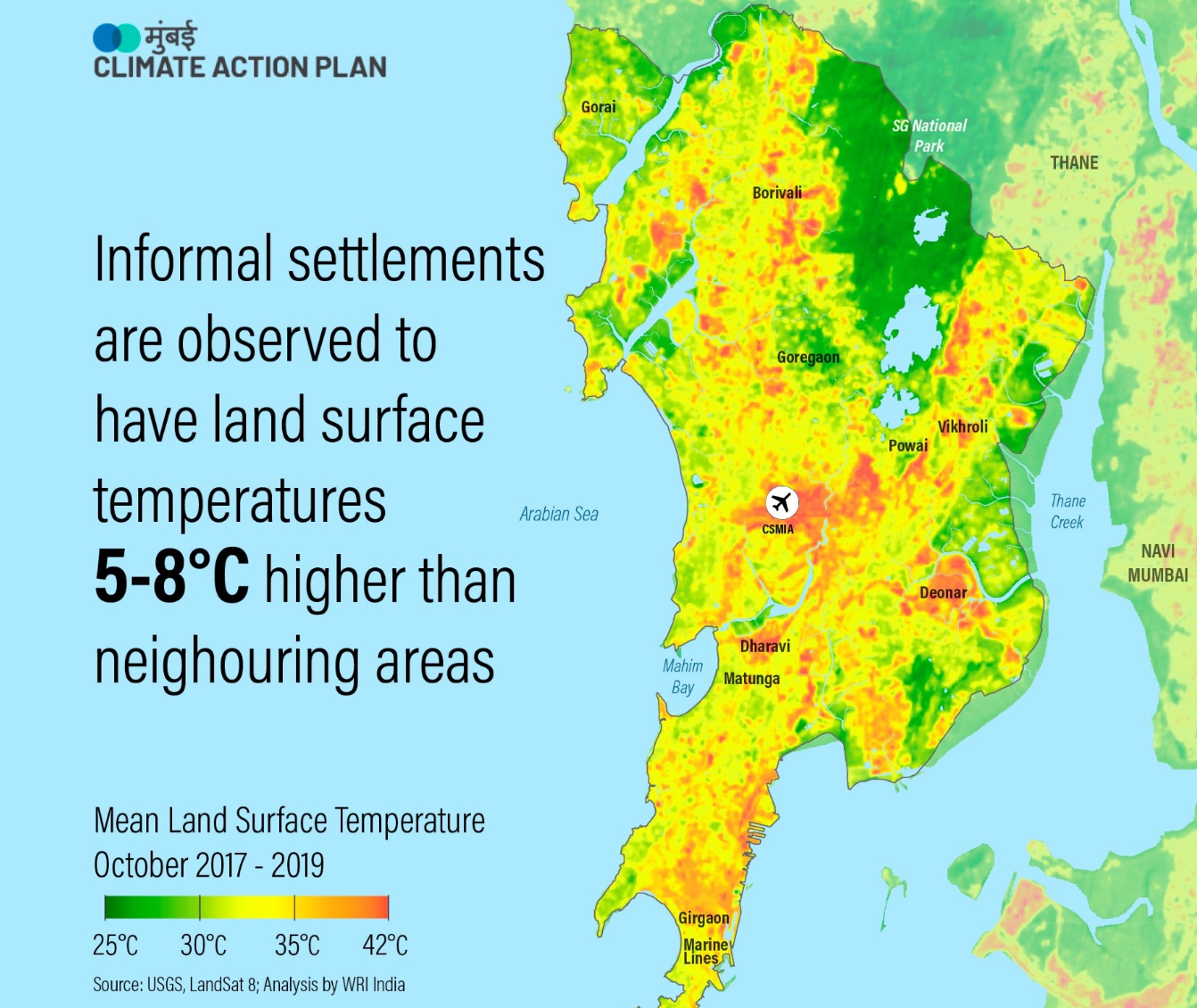
Mumbai is warming rapidly, with heatwaves now exceeding 40°C and informal settlements experiencing land surface temperatures 5-8°C higher than surrounding areas. Dense construction, limited vegetation, and high humidity magnify exposure, driving heat stress and health risks across vulnerable communities and stretching municipal services.
Solution
Through the Mumbai Climate Action Plan, the city deployed an integrated heat resilience approach combining heat mapping, early warning systems, cooling shelters, urban greening, cool-roof initiatives, and community engagement. By embedding these measures into planning, budgeting, and neighbourhood action, Mumbai is reducing exposure and strengthening long-term climate preparedness.
Key Impacts
500,000+ residents reached
through public outreach programs and various media campaigns, increasing awareness.
1,200+ heat shelters established
providing relief during heatwaves and reducing vulnerability.
100+ temperature and humidity sensors deployed
across the city, enabling real-time temperature monitoring, risk mapping and data-driven policymaking.
5–8°C reduction achieved
in targeted micro-areas with vegetation and shading interventions (pilot sites)
1>°C decrease in localized heat peaks
in priority neighborhoods following greening and cool-roof pilots
Comments ()